Or better yet —
Who told you you were qualified?
That’s the question humming underneath the internet right now.
You see it in your ads.
In your DMs.
In the “I made 200k in 3 months and now I teach scaling” carousel.
Everyone is an expert.
Everyone has a framework.
Everyone has a masterclass.
And if you’re a business owner in 2026, you are being pitched constantly by someone who is very confident in themselves.
So the real question isn’t:
“Are they legitimate?”
It’s:
What kind of expertise are you actually buying?
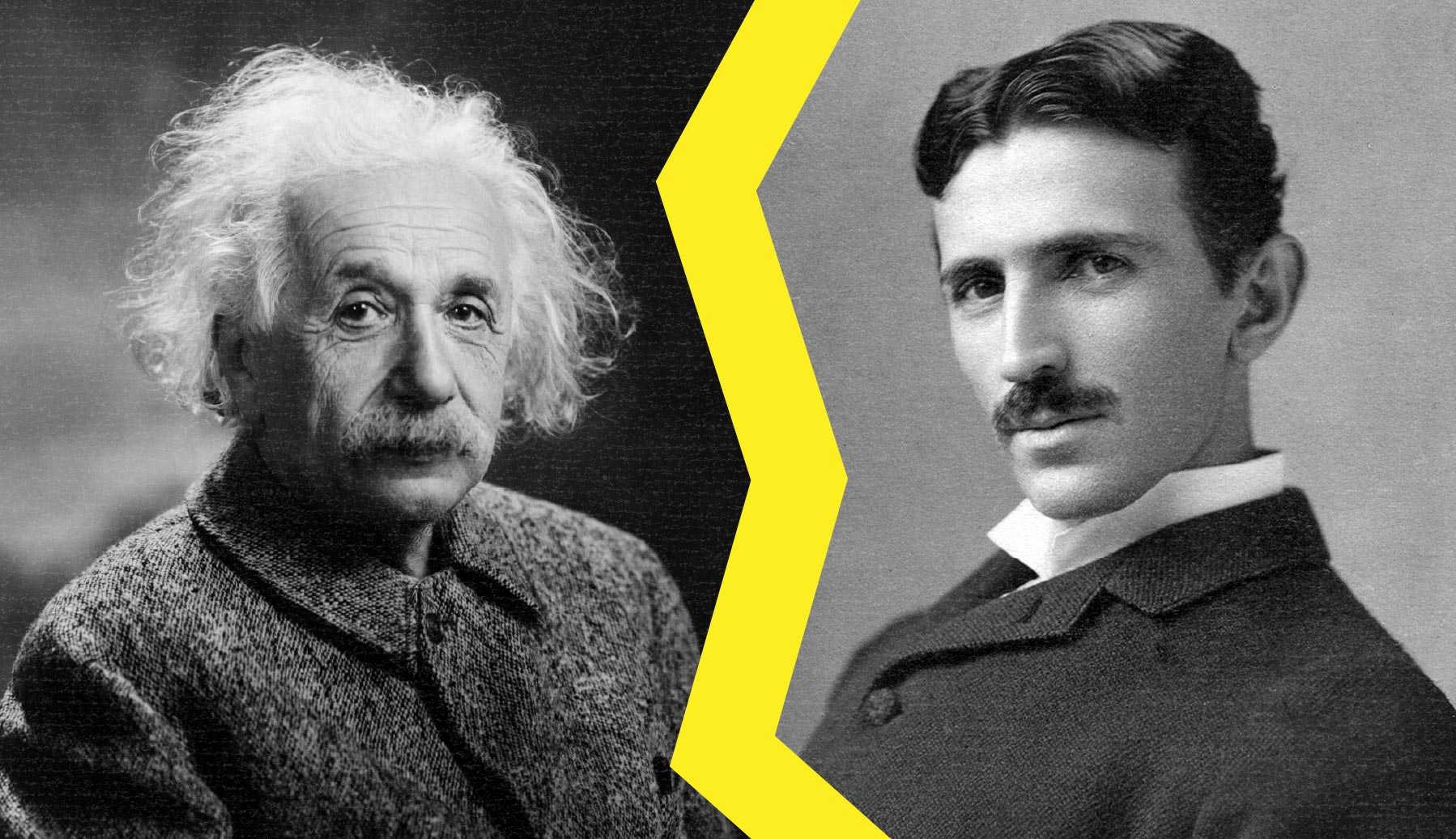
Two Archetypes (And They’re Not Interchangeable)
There are two dominant operators right now.
The Historian
The one who studied the craft.
Who understands the lineage.
Who knows why things work — not just that they worked once.
They look back in order to move forward.
They understand structure before they attempt to disrupt it.
When they push boundaries, it’s deliberate.
When they break rules, it’s informed.
They know which walls are load-bearing.
They know which risks are worth taking.
Their confidence isn’t loud.
It’s built.
The Rogue
The one who didn’t wait.
Who didn’t ask permission.
Who learned in public.
They move fast.
They don’t overthink precedent.
They don’t carry the weight of tradition.
And sometimes?
That produces innovation.
Other times?
It produces expensive lessons someone else has to fix.
Their risk is instinctual.
Their rebellion is momentum-driven.
Neither is morally superior.
But they produce very different outcomes.
And this is the lens I now use when I hire anyone.
Let’s Talk About the Platforms (Yes, I Know)
For someone who does not love being chronically online, here’s the reality:
Social media is not going anywhere.
If you measured my mental health by how much I scroll, I’d likely score above average. I’ve never been one for spectacle culture — whether that’s cable news or Instagram reels. Same energy.
But bulldoze that preference aside and look in the 2026 mirror.
The eyes are there.
The absorption rates are wild.
And the self-made experts understand this deeply.
These platforms are where people decompress.
Where they solve micro-problems.
Where they test trust before they commit.
Ignoring that for business purposes would be naïve.
The Rise of the Micro-Offer
Here’s what’s shifted.
People don’t want the big engagement first.
They want:
A quick fix
A fast answer
A shortcut
A small yes before a big commitment
It’s the free-trial model applied to services.
And it works.
Lower risk.
Lower commitment.
Faster decision-making.
You do not need a prestigious degree to sell a micro-offer.
You need marketing clarity.
And marketing — right now — is outperforming credentials in the attention economy.
But Should That Be Enough?
Here’s the part where you might assume I’m about to defend degrees and dismiss the DIY world.
I won’t.
I buy micro-offers.
I’ve hired people outside their formal credentials.
I’ve been impressed.
I’ve also been burned.
So where do I actually land?
I start by asking myself one thing:
Do I need confidence — or do I need precision?
Confidence vs. Precision
These are not the same output.
Confidence is energy.
It’s someone helping you believe you can move.
It sharpens your spine.
It gets you unstuck.
And that has real value.
But precision?
Precision is:
Specific conversion improvement
Competitive positioning
Beating a saturated market
Hitting aggressive sales targets
Building systems that hold under pressure
Precision requires pattern recognition.
Repetition.
A body of work.
Receipts.
And this is where background matters.
Not because of ego.
Not because of elitism.
Because of evidence.
Case studies aren’t outdated.
Resumes aren’t insecurity.
Articulated philosophy isn’t fluff.
They’re signals.
They show you how someone thinks — not just how they market.
The Real Mistake
The mistake isn’t hiring a rogue.
The mistake is hiring a rogue when you needed a tactician.
Or hiring a tactician when what you actually needed was belief.
Technology amplified both archetypes.
The calculated expert.
The charismatic rebel.
You might need both at different phases.
But you need to know which phase you’re in.
In an era where you can swipe, click, and purchase someone’s “expertise” in under 90 seconds, it’s worth slowing down and asking:
What outcome am I actually buying?
Drive with intention.
Spend with meaning.
And build with clarity.
Happy 2026.